
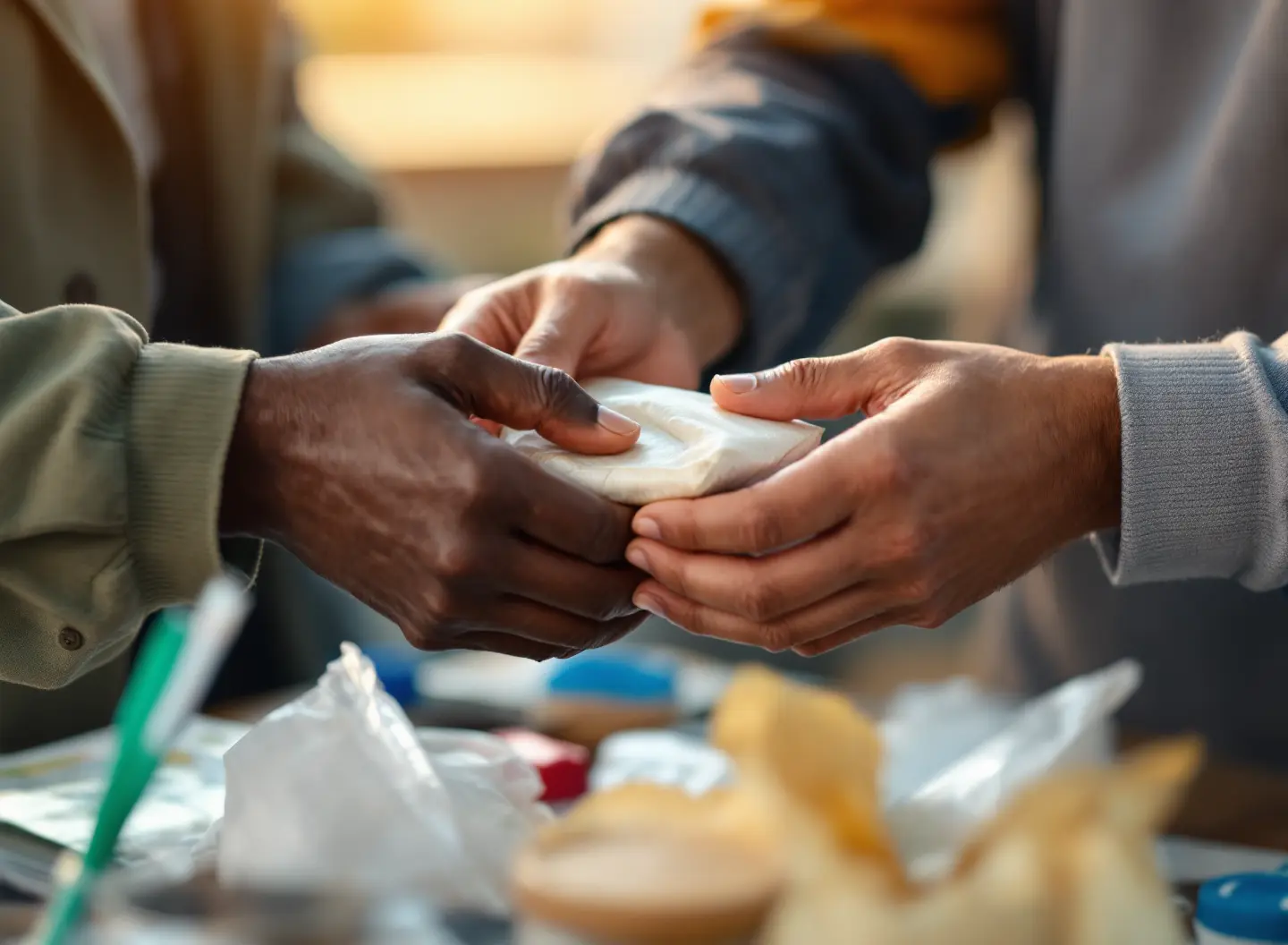
Overdose response
Naloxone distribution, fentanyl test strips, safer use supplies, and real-world overdose response education.
- Naloxone kits and refill access
- Fentanyl test strips
- Safer use education
- Rapid crisis connection
Healing Roots Outreach Collective brings naloxone, safer use supplies, wound care, peer support, and Indigenous-informed healing directly to unhoused and street-involved community members. The work is mobile, relational, and built around dignity rather than surveillance.
The work stays practical. Everything here is designed to reduce harm, increase stability, and create a next step that still feels human.
Naloxone distribution, fentanyl test strips, safer use supplies, and real-world overdose response education.
Basic wound care, first aid supplies, screening connections, and referrals that do not depend on formal gatekeeping.
One-on-one support from people who understand the terrain firsthand, including emotional support, de-escalation, and resource navigation.
Access to sterile syringes, sharps disposal, hygiene materials, and safer sex supplies that reduce infection and support self-determination.
Support that honors Indigenous knowledge, ceremony, intergenerational wisdom, and the need for care that does not sever people from identity.
Community education that expands safety and practical knowledge instead of abstract awareness campaigns.
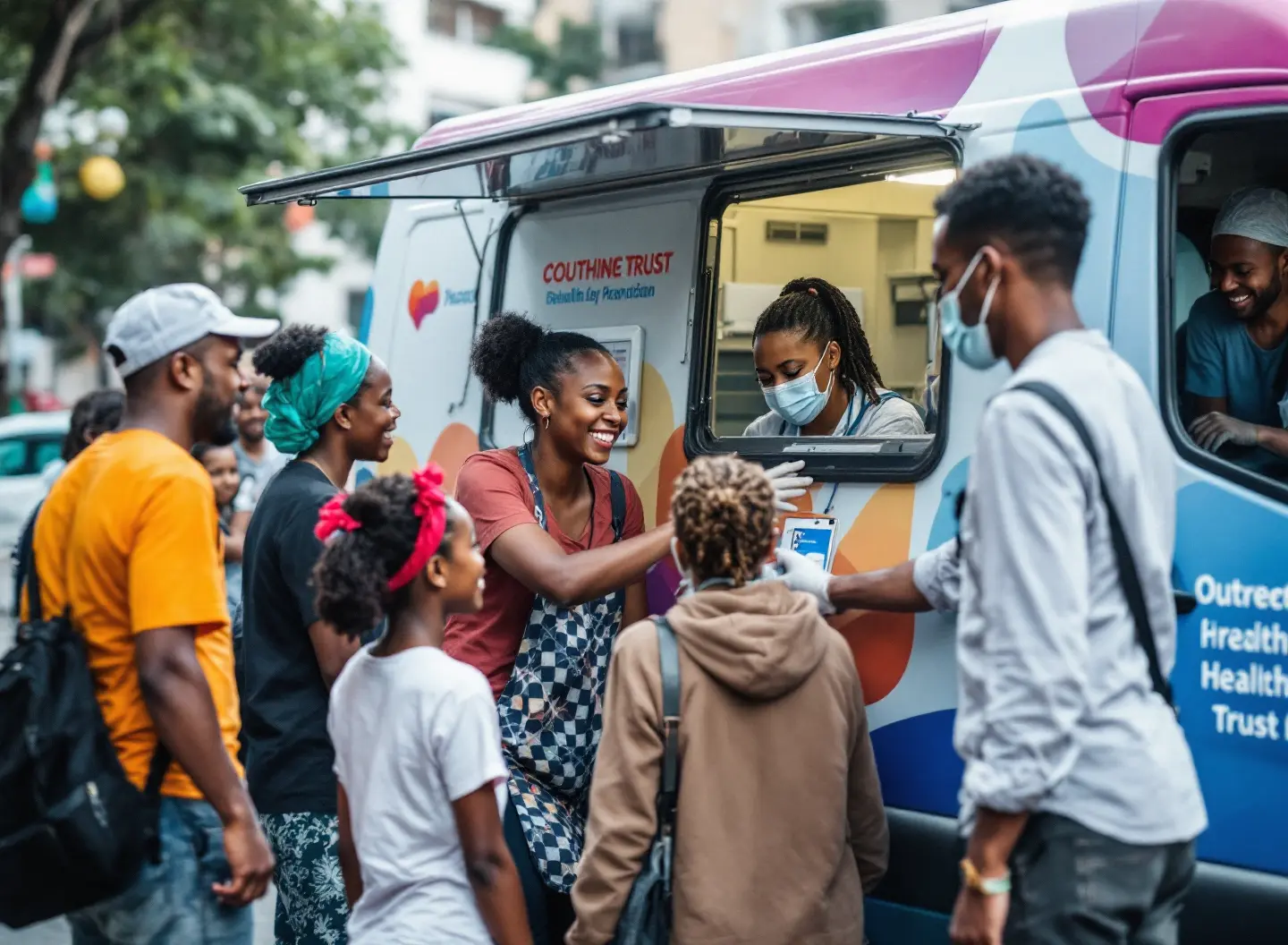
HROC is designed around response that can travel, relationships that can hold, and services that do not require people to navigate a maze first.
The RV and outreach team bring support directly into encampments, street-based communities, and locations where traditional systems routinely fail to reach people.
Peer workers build continuity. Support does not end after one supply handoff. People can reconnect by text, call, or through community relationships.
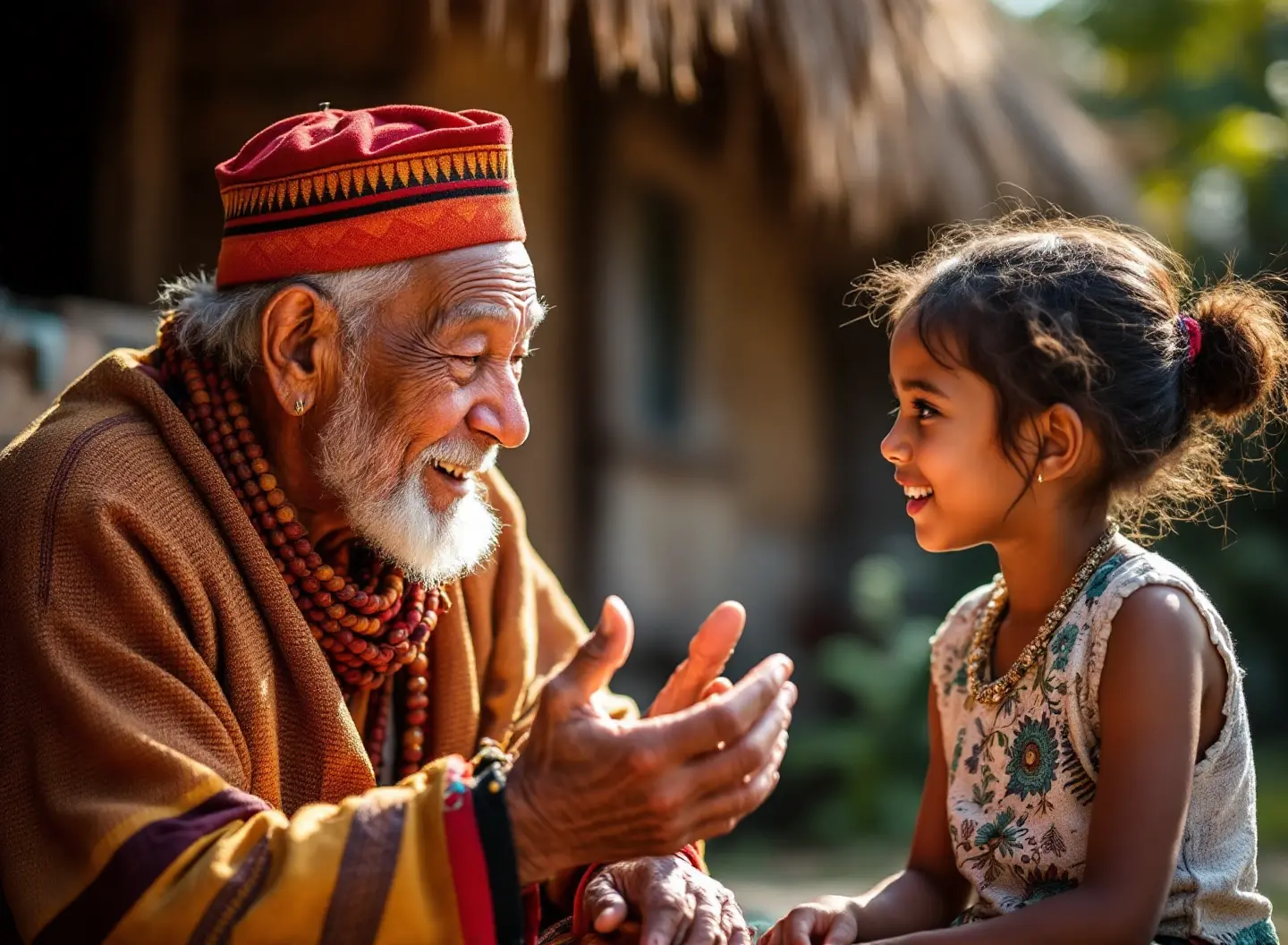
Indigenous-informed care means cultural integrity is not an add-on. Healing practices, teachings, and community wisdom remain part of how support is delivered.
HROC’s founder pages now work like field profiles: grounded, specific, and connected to what each leader is building.

Bri shapes field operations around lived experience, collective accountability, and the refusal to treat community members like problems to manage.

Lilly protects sustainability without flattening culture, ensuring financial stewardship still serves healing, Indigenous knowledge, and community wisdom.

Jonathan builds the systems architecture behind growth, partnerships, logistics, and technology that stays accountable to people rather than optics.
HROC’s organizational documents, governance materials, IRS records, policies, and planning documents are available through the document library. Transparency is part of the public-facing experience, not something hidden in the footer.
The organization serves communities across Seattle, Kent, Tacoma, Spanaway, and encampments throughout King and Pierce Counties, with mobile deployment built around where support is most urgently needed.
These are not abstract donations. They become kits, route coverage, supplies, and the operational stability that lets outreach teams keep showing up.
Supports direct-distribution supplies that can change the outcome of an overdose response or prevent avoidable harm in the field.
Helps cover mobile outreach costs, logistics, and field materials so the team can stay consistent rather than reactive.
Strengthens the systems behind service delivery: operations, coordination, equipment, and continuity across routes.
If you need support, want to collaborate, or want to fund the work, use the direct channels here. HROC is mobile by design, so the fastest access path is usually phone or text.